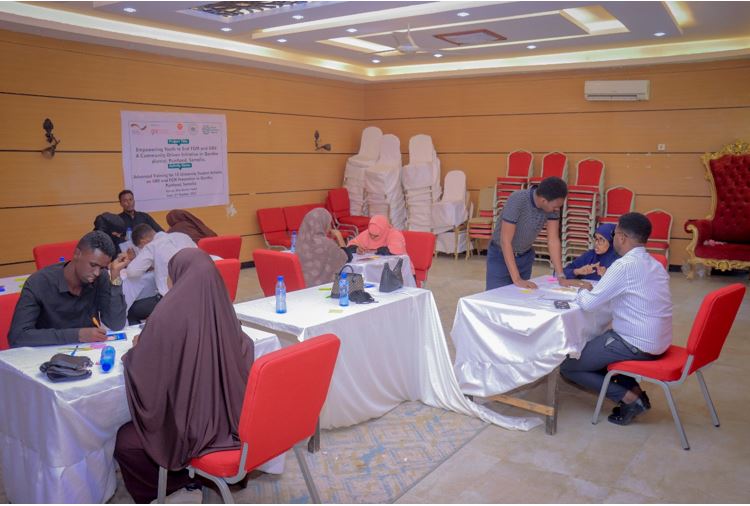
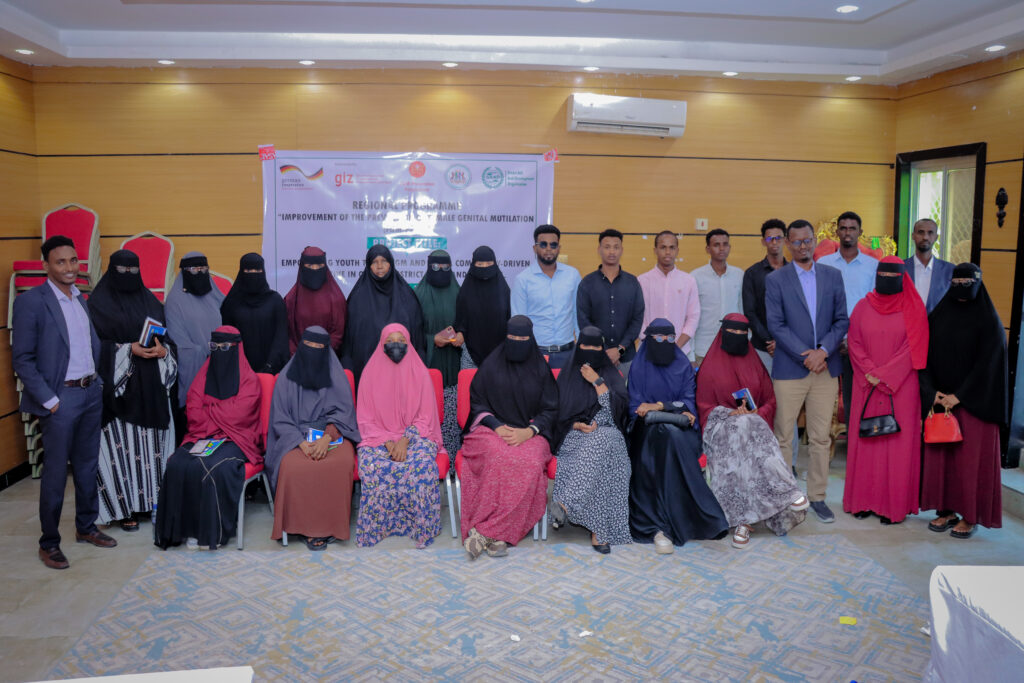
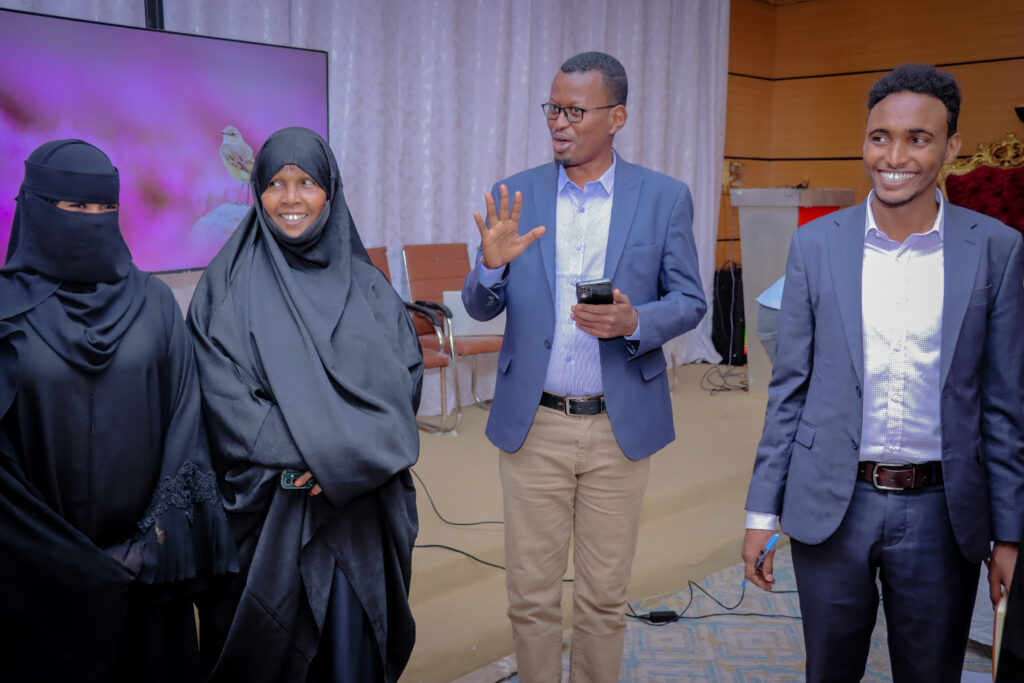
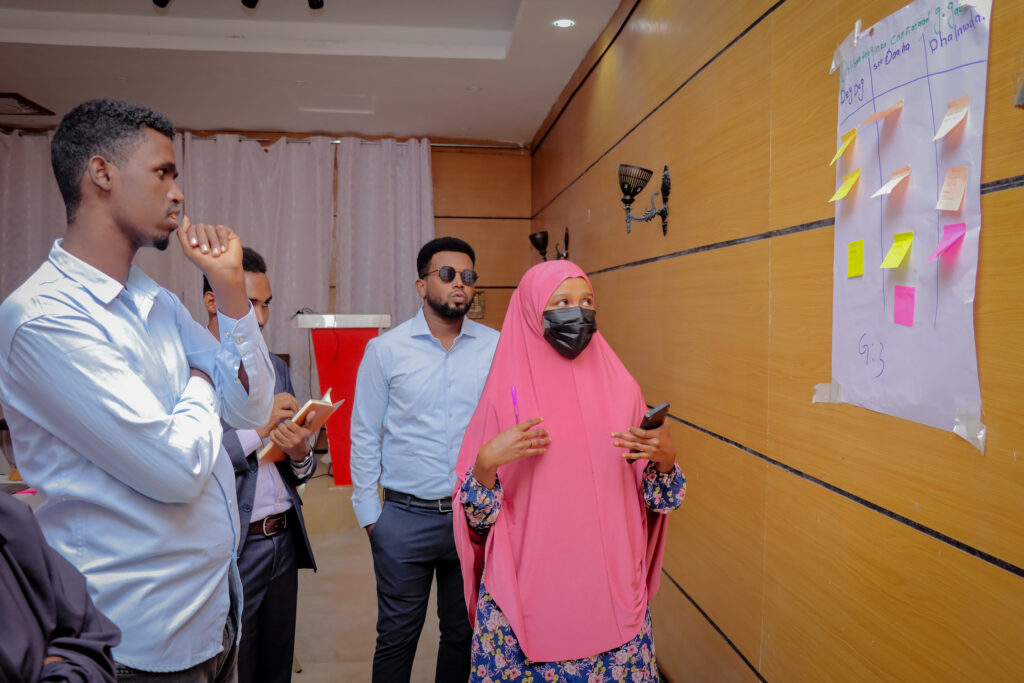
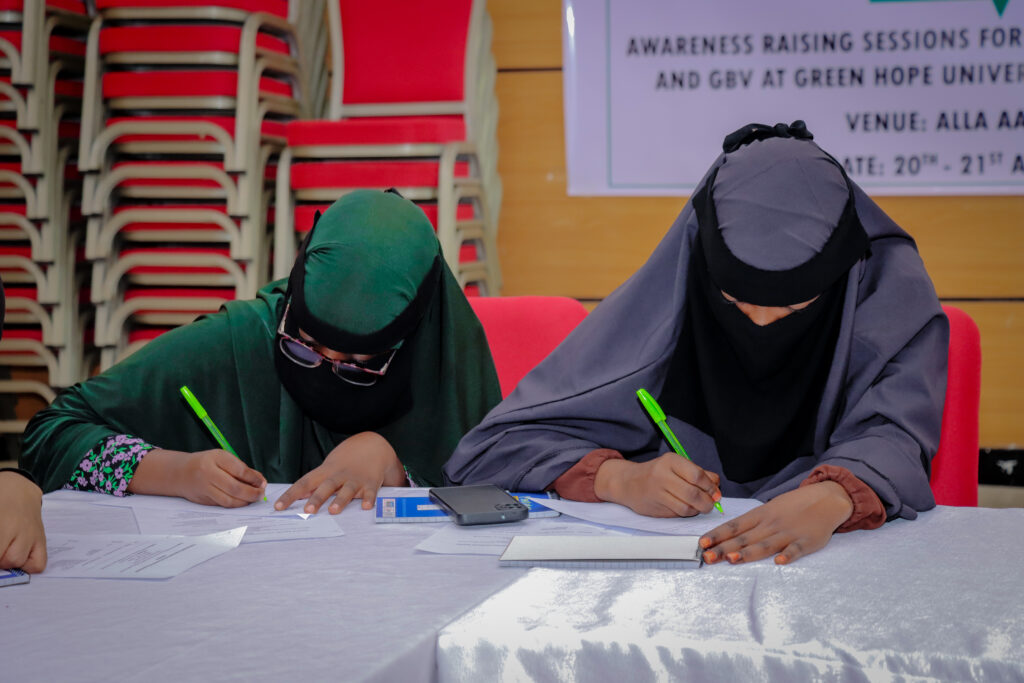
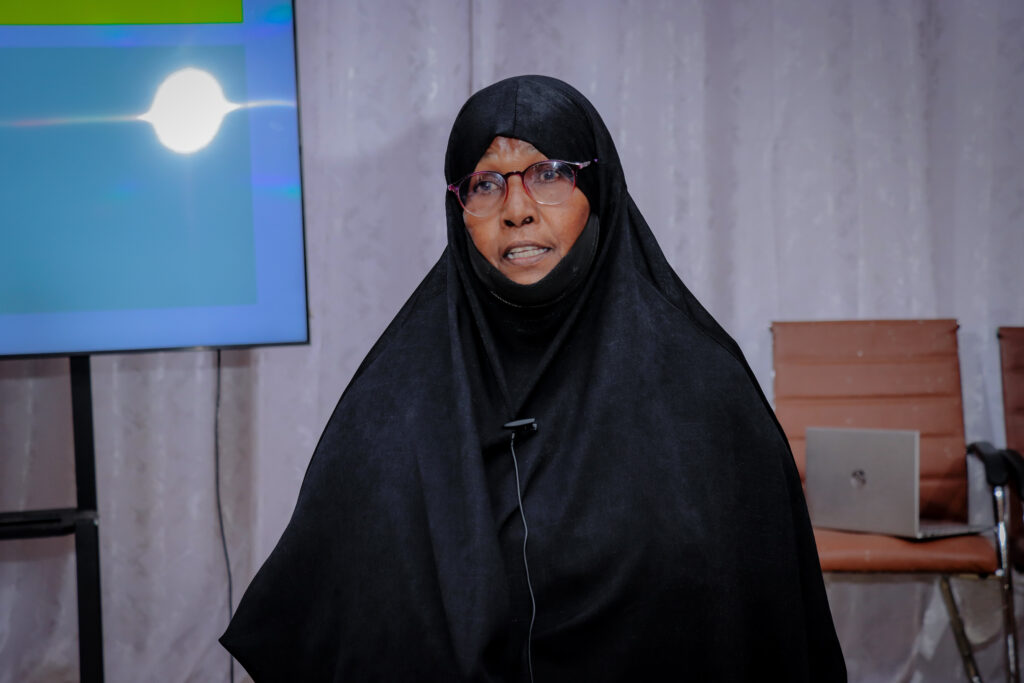
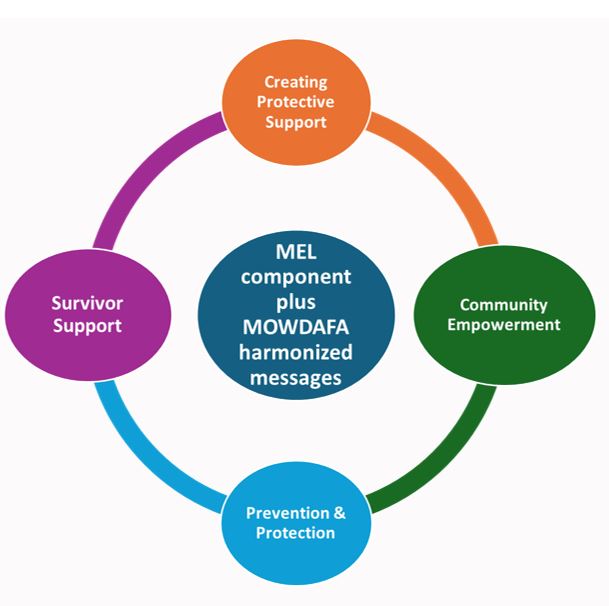
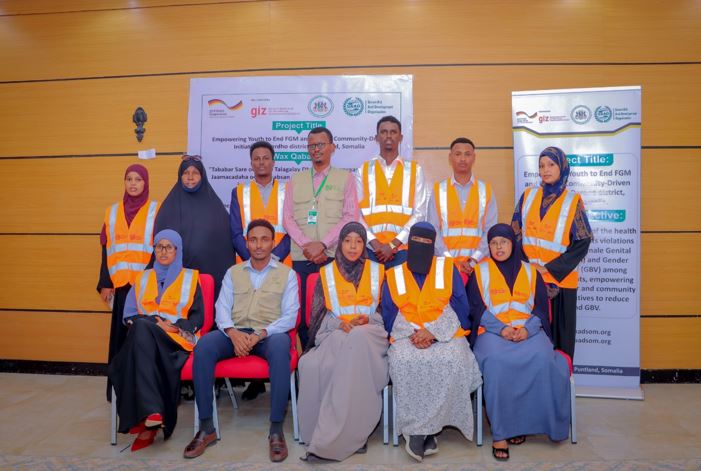
Building upon the successful foundational awareness-raising sessions conducted in August/September 2025 for 54 university students, the Smart Aid and Development Organization (SAAD), in partnership with Puntland Ministry of Women Development and Family Affairs (MOWDAFA) and with support from GIZ, carefully selected 10 motivated university student activists for an intensive three-part advanced training series. This comprehensive program, spanning from October to December 2025, marked a strategic shift from general awareness to building actionable advocacy and implementation skills. The series focused on the precise deconstruction of religious misconceptions and medical myths surrounding Female Genital Mutilation (FGM), mastering effective messaging and facilitation techniques, and culminated in the collaborative development of robust Community Action Plans (CAPs) with four pillars (survivor support, prevention/protection, community empowerment and creating a protective city) integrated with Monitoring, Evaluation, and Learning (MEL) frameworks and selected MOWDAFA anti-FGM messages tailored for specific target people. The advanced trainings equipped these student activists with the evidence, confidence, and practical tools to lead peer-to-peer education and community dialogues, counter resistance, and drive the movement against FGM in Qardho, laying the groundwork for sustainable, community-owned interventions. The outcome is a highly skilled activists ready to implement their concrete, measurable action plans.
Following the initial three-day intensive training for 54 university students from Green Hope University on FGM and Gender-Based Violence (GBV), SAAD organization identified ten highly motivated students with the potential to serve as activists within their peer groups and the broader community. This advanced training series was designed to transform this potential into practical skills, moving beyond foundational knowledge. The primary aim was to empower these activists to effectively counter the deepest-rooted justifications for FGM, particularly the conflation of the “Sunna” type with Islamic doctrine and the misconception of its medical acceptability. The series was structured into three distinct advanced training sessions, building sequentially on the knowledge and skills acquired in previous stages.
Across the advanced training series, participants were expected to achieve the following specific objectives:
- Confidently articulate, using Islamic and medical evidence, that no form of FGM is medically benign, beneficial, or an Islamic requirement.
- Lead critical discussions using comparative case studies to reframe FGM as a harmful cultural practice.
- Crafting a framework for a Community Action Plan with specific steps for prevention, survivor support, and community empowerment that can reinforce each to end FGM.
- Master messaging and facilitation skills tailoring advocacy messages to diverse audiences (youth, parents, girls, religious leaders) and leading safe-space conversations effectively.
- Craft comprehensive Community Action Plans (CAPs) with specific, measurable activities for prevention, survivor support, community empowerment, and creating a protective city.
- Develop simple Monitoring, Evaluation, and Learning (MEL) plans to track progress, measure impact, and adapt strategies.
- Plan for and address community feedback and resistance using learned facilitation skills to navigate concerns and adapt their approach.
The advanced training series employed a highly participatory approaches with a deeper focus on practical application:
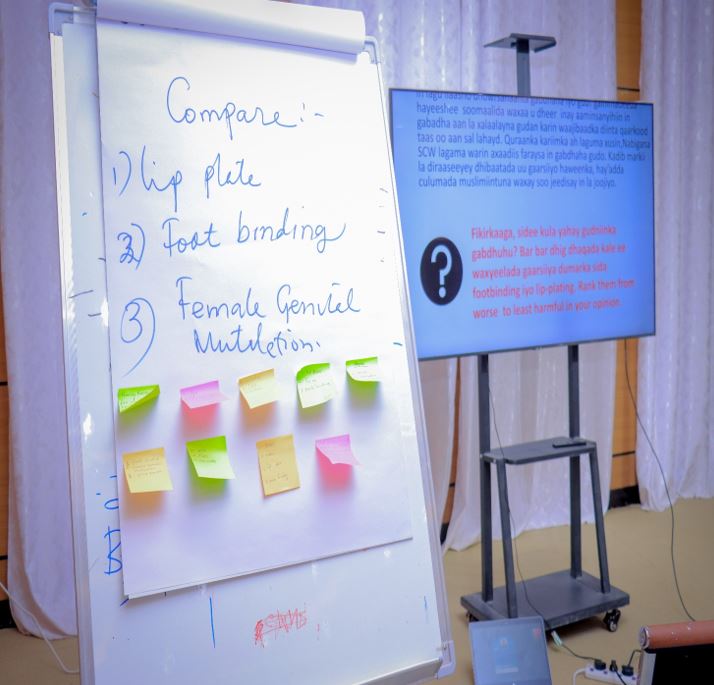
Comparative Case Study Analysis: In-depth group discussions on foot-binding in China and lip plates in Ethiopia were used to build a critical framework for analyzing harmful traditions.
Deconstruction of Religious Myths Sessions: Facilitator-led presentations and group discussions provided a detailed analysis of the term “Sunnah,” the sources of Islamic law, and the weakness of hadiths used to justify FGM.
Interactive Lectures: Sessions reinforced the universal health harms of all FGM types and introduced advocacy principles.
Action-Oriented Group Work: Participants collaborated to brainstorm and structure their initial Community Action Plans.
Action-Oriented Group Work: Participants collaborated extensively to brainstorm, structure, and refine their Community Action Plans.
Role-Playing and Simulation: Practical exercises were used to simulate real-world scenarios, allowing activists to practice message delivery, facilitation techniques, and strategies for handling community resistance.
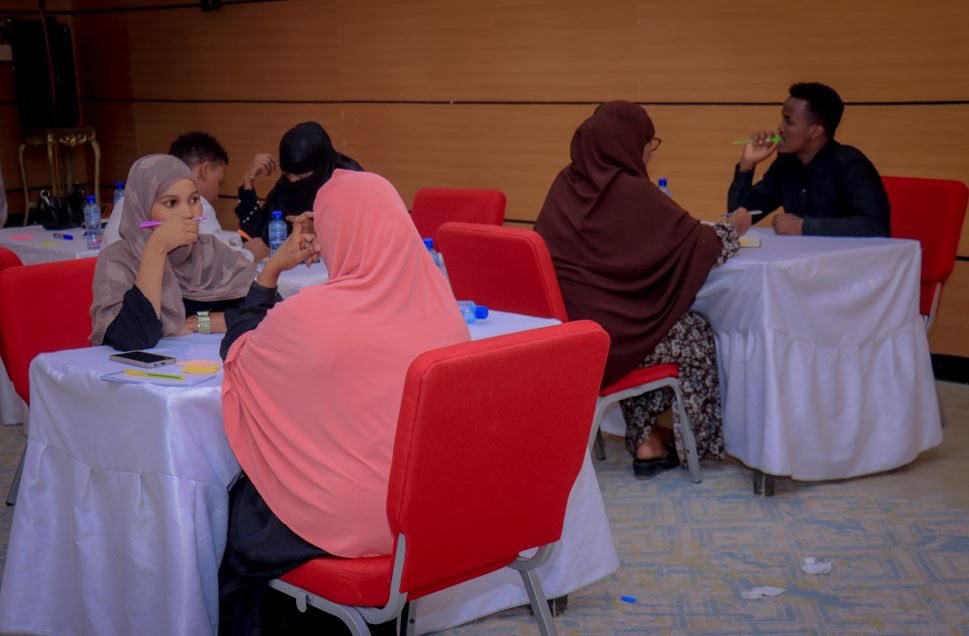
4.1. Advanced Training Session 1: Reframing and Deconstructing FGM Myths
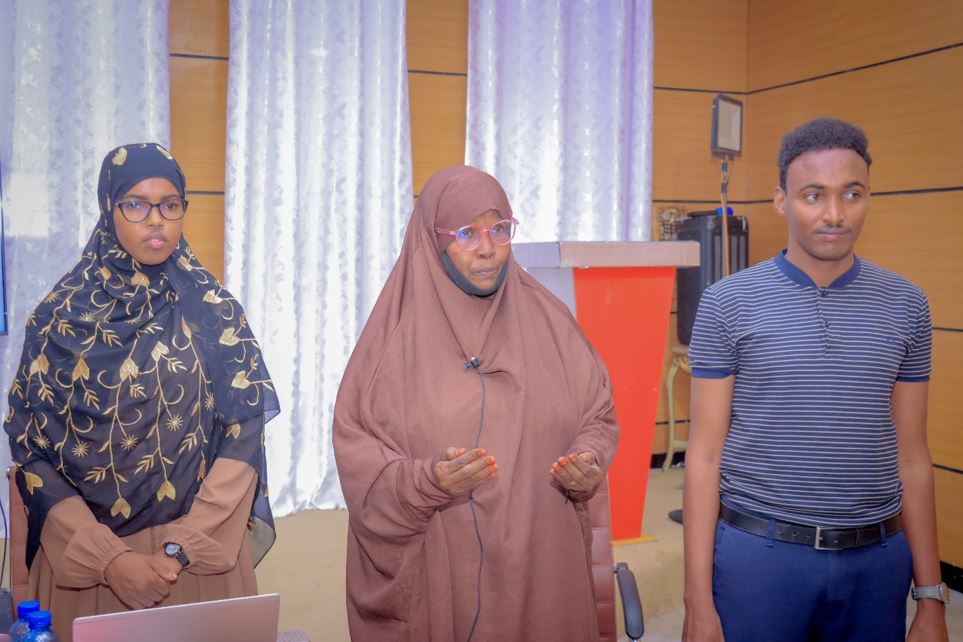
The first advanced session, held on October 2, 2025, and inaugurated by Ms. Sahra Jaqanaf, Coordinator of the Ministry of Women Development and Family Affairs (MOWDAFA) for Karkar region, focused on solidifying the activists’ understanding of FGM’s harmful nature and its lack of religious basis. Ms. Sahra congratulated the selected students, and thanked them for the commitment and enthusiasm they shown in the previous training. She also extended her gratitude to SAAD Organization and GIZ for their efforts
4.1.1. Reframing FGM through a Global Lens
Building on prior introductions, participants revisited harmful practices like foot-binding[1] and lip-plating[2] practiced in China and Ethiopia respectively. Unanimously condemning these, participants were then asked to compare them with the most common types of FGM in Somalia. Five out of ten activists expressed that FGM is more detrimental due to child birth complications and identified the underlying reasons as oppression and control over women’s bodies. The session emphasized that FGM is “our version of foot-binding,” establishing an objective standard for its condemnation.
[1] When a Mursi girl reaches puberty, her lower lip is cut and stretched over time to accommodate increasingly larger clay or wooden plates. This signifies her transition to womanhood and is tightly linked to fertility and eligibility for marriage. The practice can lead to chronic infections, gum damage, tooth loss, and difficulties with eating and speaking.
[2] The practice involved the tight wrapping of the feet of Han Chinese girls to inhibit foot growth, often breaking bones. It was a symbol of beauty and high social status, believed to lead to better marriage. However, it caused lifelong pain and physical impairment and was finally banned in 1912.
4.1.2. Dissociating FGM from Islamic Sunnah
This session formed the crux of the training, directly addressing the primary driver of FGM persistence Qardho, Puntland State of Somalia. Acknowledging that the positive connotation of the word ‘Sunnah’ in Islam wrongly linked to female genital mutilation is the most significant challenge in tackling this harmful practice in Somalia, the facilitator led a discussion on whether FGM can be considered a Sunnah or not, based on the Islamic sources.
The discussion started with defining “Sunnah”. The facilitator asked students to visit a reliable Islamic website3 and write down the definition of Sunnah in Arabic and translate it Somali and English. After discussion, the facilitator clarified the jurisprudential definition of Sunnah as “that which is in contrast to what is obligatory (wajib) or compulsory (fard);” meaning it is the recommended and desirable. It is everything the Prophet Mohammad, peace be upon him, did or encouraged doing, not in a mandatory way, but in a recommended and desirable manner. It is a commendable act for which there is a reward, but there is no sin for omitting it”.[1]
Then together with the participants, Islamic sources were analyzed critically to find if there is authentic clear evidence supporting that female genital mutilation is recommended act of worship. It was conclusively established that FGM is not mentioned in the Noble Quran, there is no scholarly consensus (Ijma’), and analogical reasoning (Qiyas) with male circumcision is invalid due to anatomical differences. However, there are several Hadiths[2] on female genital mutilation which are used to justify the practice. The commonly cited hadiths were examined. The hadith in Sahih Muslim[3] was shown to be descriptive, not prescriptive, while the other prominent hadiths were classified as weak[4]–[5] and thus insufficient to establish a religious ruling. The session concluded by grounding the argument in fundamental Islamic principles that prohibit harm[6] and the mutilation of God’s creation.
The outcome was a significant agreement among participants. One student told “I always knew FGM was wrong, but I didn’t know they were using weak evidence.”
[1] Hadith is a Prophet Mohammad’s peace be upon him verbal instructions which were documented by various narrators after His death. All hadiths on female circumcision are weak because either the trail of narrators to support the authentic transmission of the hadith (isnad) did not comply with the Islamic criteria of authenticity, or the actual narration of the texts (matn) are not clearly showing that circumcision is required in female.
[1] “When the two circumcised parts meet, ghusl (spiritual cleansing) becomes obligatory” Narrated by Muslim (349)- Authentic.
[1] The Prophet (peace be upon him) said to a female circumciser “cut slightly and do not overdo it, for it brings radiance to the face and is more pleasing to the husband” – Abu Dawud (5271) Weak.
[1] “Circumcision is a Sunnah for men and an honorable act (Makrumah) for women.”- Imam Ahmad (20719)- Weak. [1] The Prophet (PBUH) said: “There should be neither harming nor reciprocating harm”. –Authentic
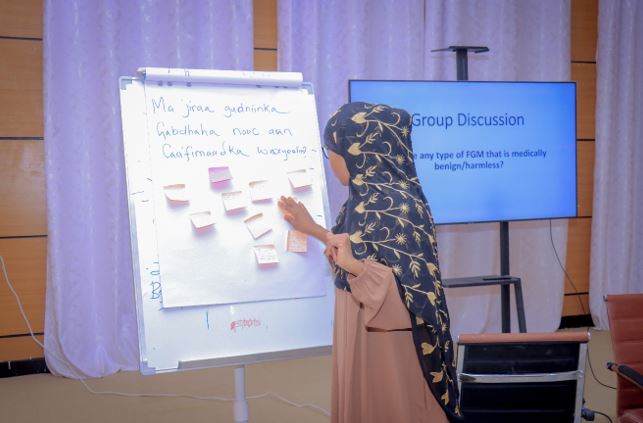
4.1.3. Reinforcing the Medical Evidence
4.1.4. Crafting Framework for Community Action Plans (CAPs)
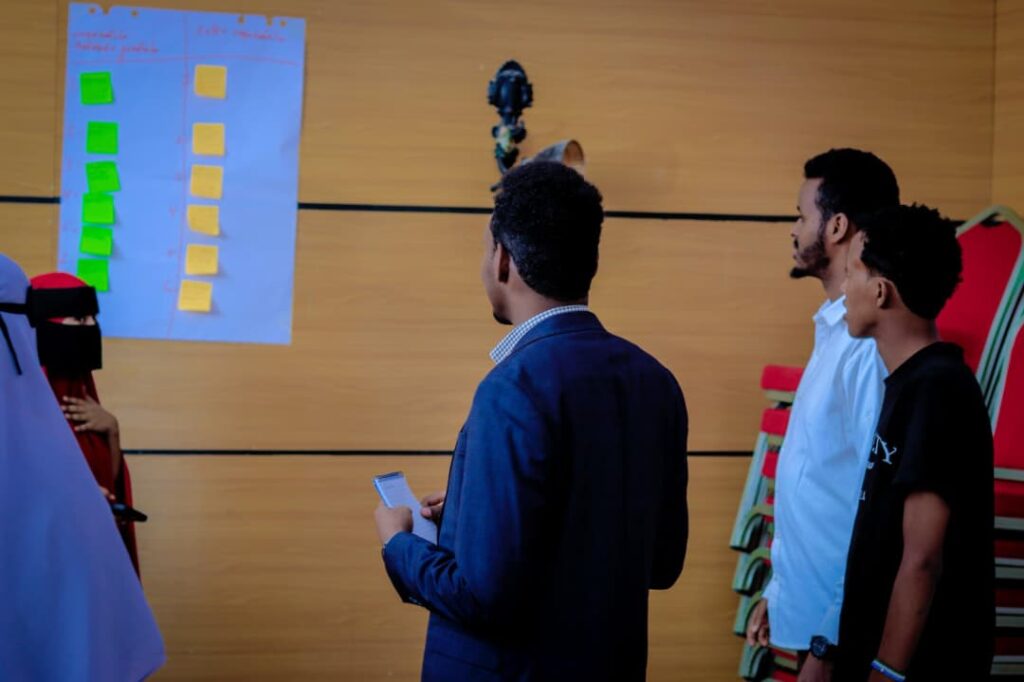
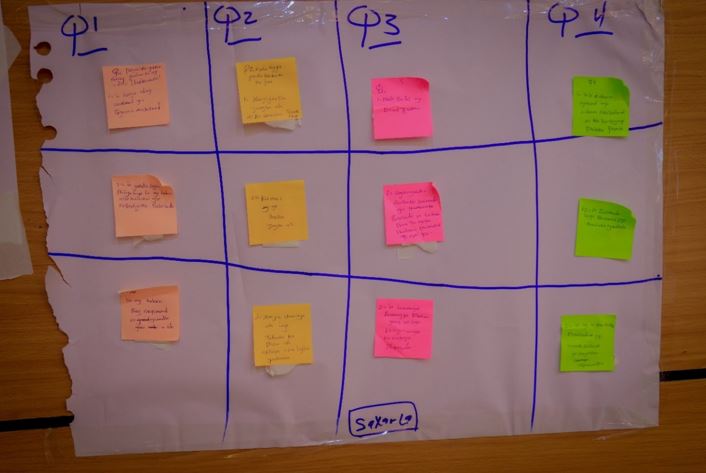
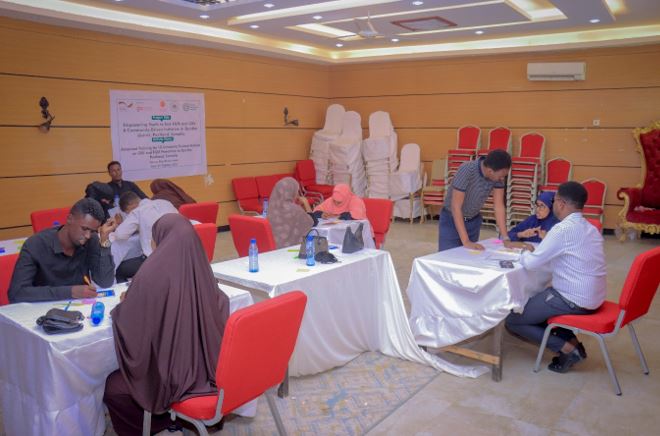
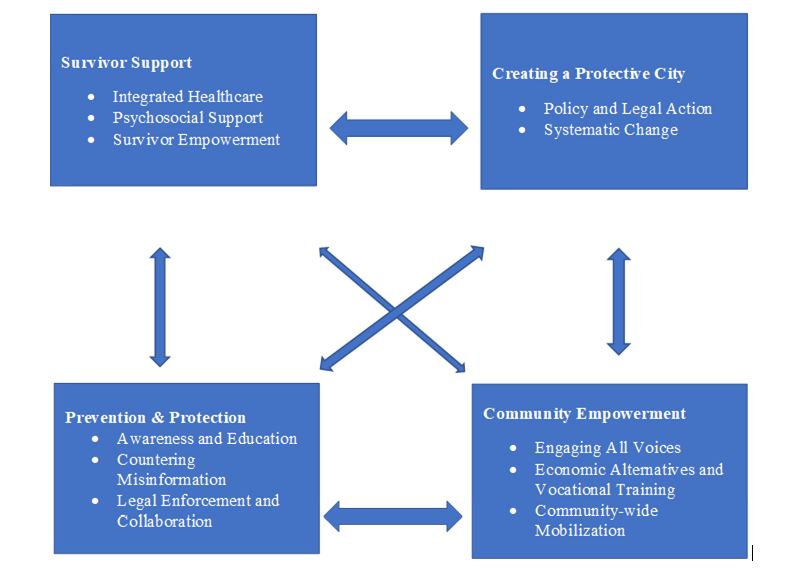
Participants brainstormed and structured an initial 4-Pillar framework for their Community Action Plans, covering Survivor Support, Prevention & Protection, Community Empowerment, and Creating a Protective City.
Pillar 1: Survivor Support – A Holistic Vision for Healing
The activists outlined compassionate and comprehensive support, encompassing medical, psychological, and social needs.
- Integrated Healthcare: Emphasis was placed on accessible medical treatment for bleeding, infection, and childbirth complications.
- Psychosocial and Empowerment Support: Plans highlighted mental well-being, counseling, and encouraging education and community participation. Additionally, creating job opportunities for severely affected young ladies.
Pillar 2: Prevention & Protection
Building a Multi-Layered Defense Strategies targeted all community levels with education, empowerment, and enforcement.
- Awareness and Education: A general call for continuous, targeted awareness campaigns for parents, practitioners, and the community.
- Empowering Girls and Countering Misinformation: Key strategies included teaching girls about bodily rights and correcting religious falsehoods directed at parents.
- Legal Enforcement and Collaboration: Participants stressed the need to strengthen laws against perpetrators and collaborate with religious leaders and parents.
Pillar 3: Creating a Protective City – A Unified Vision for an FGM-Free Qardho
This pillar captured the ultimate ambition: a fundamental, systemic shift.
- Policy and Legal Action: The cornerstone was clear government policy and penalization of perpetrators.
Community-Wide Mobilization: They envisioned a city united in its commitment to protecting girls
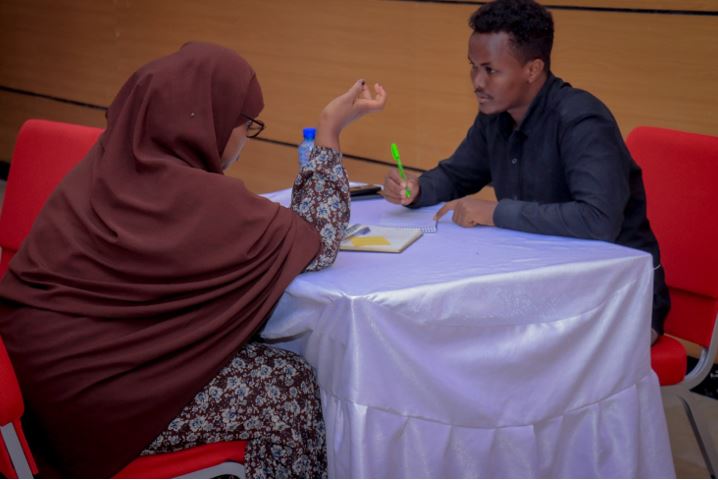
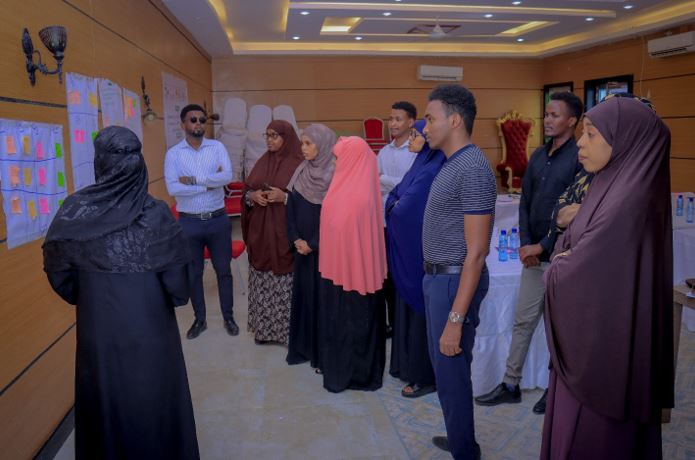
Qardho Chart- a Preliminary CAP Framework to End FGM in Qardho
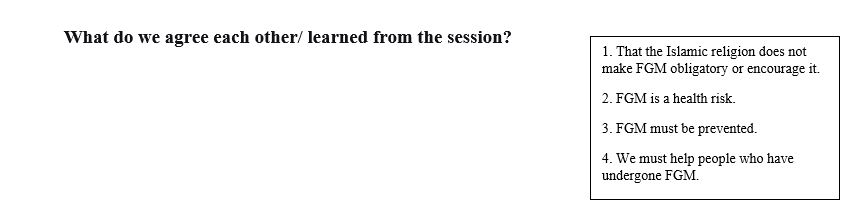
4.1.5 Key Learnings from Activity 1
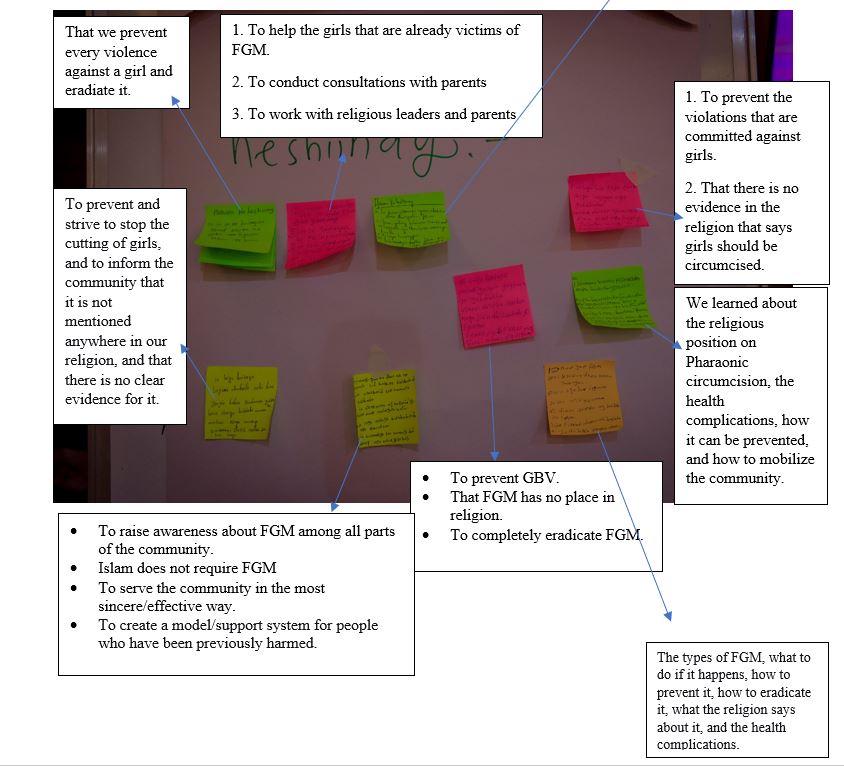
Participants synthesized their key takeaways, demonstrating a profound shift in understanding and commitment:
- To prevent violence committed against girls.
- To spread that FGM has no place in Islamic religion.
- To completely eradicate FGM.
- To raise awareness about FGM among all sectors of the community.
- To serve the community in the sincerest way to stop the cutting of girls, and to inform them that FGM is not recommended in our religion and there is no clear evidence for it.
4.2. Advanced Training Session 2: Messaging and Facilitation Skills
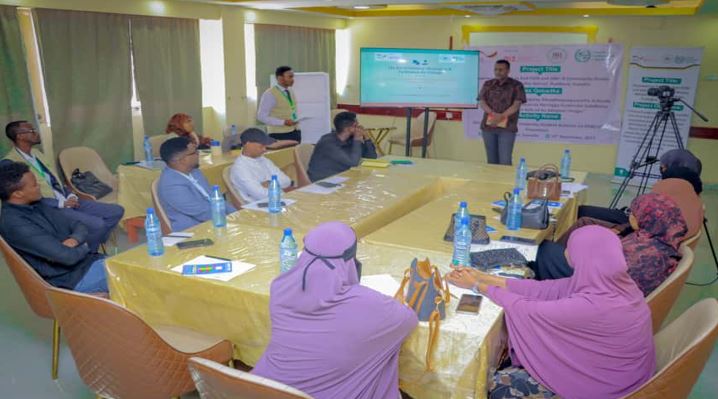
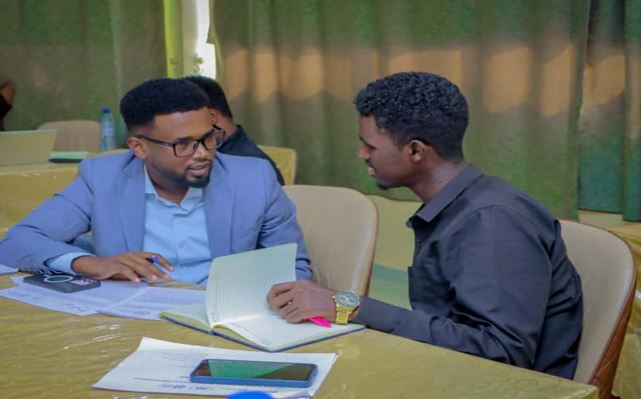
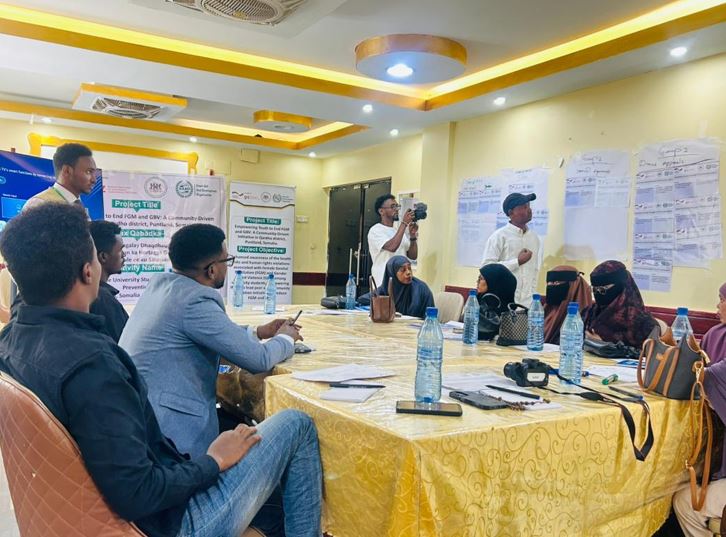
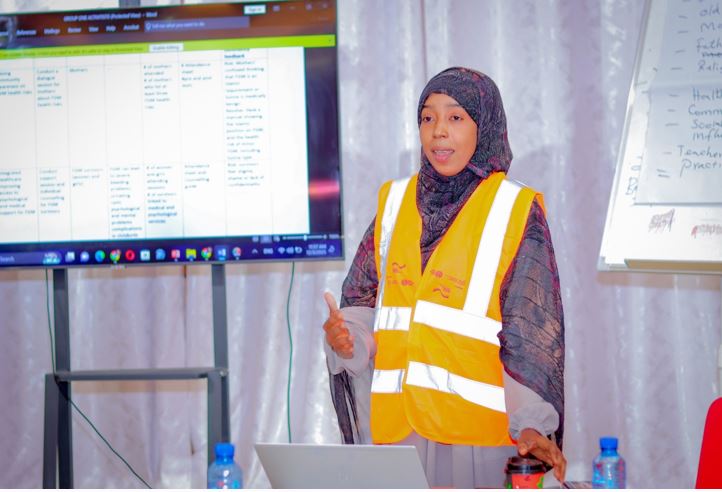
The second advanced session on Messaging and Facilitation Skills was held on November 12, 2025. This training specifically equipped the 10 activists with practical communication and engagement skills crucial for their advocacy roles. The event was graced by the presence of key stakeholders, including Ms. Sahra Jaqanaf, MOWDAFA Coordinator for Karkaar Region, and Mr. Yahye Mohamed, GIZ Technical Advisor in Puntland. Additionally, a photographer from Integration, a third-party international organization supporting the project in communication, documented the activities
4.2.1. Mastering Core Advocacy Messages
Activists learned and practiced delivering the harmonized messages developed by MOWDAFA, tailoring them for specific audiences including youth, parents, girls, and religious leaders.
4.2.2. Enhancing Facilitation Techniques
The training focused on leading safe-space conversations, building trust, and fostering peer-to-peer and broader community dialogue.
4.2.3. Strengthening Resistance Handling Strategies
Participants were trained in a structured approach to address community resistance, which included acknowledging challenges, reframing the issue around shared values, and using open-ended questions to encourage deeper conversation rather than confrontation
4.3 Advanced Training Session 3: CAP Finalization, MEL, and Resistance Planning
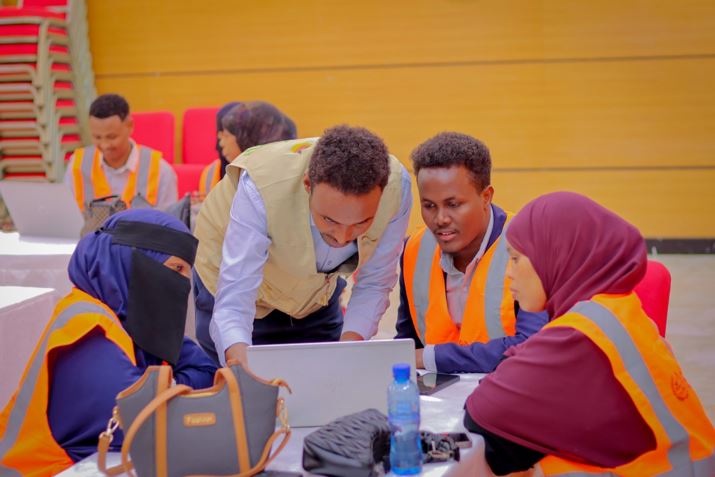
The final advanced session, held on December 3, 2025, aimed to convert the theoretical frameworks and skills into measurable, actionable plans
4.3.1. Finalizing Community Action Plans (CAPs)
Participants worked in groups to finalize their CAPs, ensuring each plan had specific, measurable activities. The CAPs were meticulously detailed, outlining Direct Beneficiaries, Activities, Objectives, Activist Roles, Core MOWDAFA Messages, and Success Indicators (Data to Collect).
4.3.2. Community Activities Planned
- Pillar 2 (Prevention & Protection): Dialogue sessions for 15 mothers and 15 fathers to ensure understanding of FGM as harmful, not religious.
- Pillars 3 & 4 (Community Empowerment & Protective City): Workshops for 10 religious leaders and elders to secure their agreement that FGM is not Islamic and mobilize them as public advocates.
- Pillars 1, 2 & 3 (Survivor Support, Prevention & Community Empowerment): Interactive sessions for 50 youth (male and female) on human rights and FGM harms, fostering a peer alliance, and providing a safe space for youth.
- Joint Parent Sessions: Combined sessions for 30 parents to align on protection and facilitate parent conversations.
- Resistance Handling Training: Interactive session for 30 youth and 30 parents on the “Acknowledge, Reframe, Question” technique to confidently defend their anti-FGM stance in social networks.
- Public Pledge Event: A cumulative big event for all 90 participants where members of different groups represent what they have learnt. A respected Islamic scholar, health professional and MOWDAFA Karkar coordinator will also be present to answer relevant questions.
4.3.4. Developing Simple MEL Plans
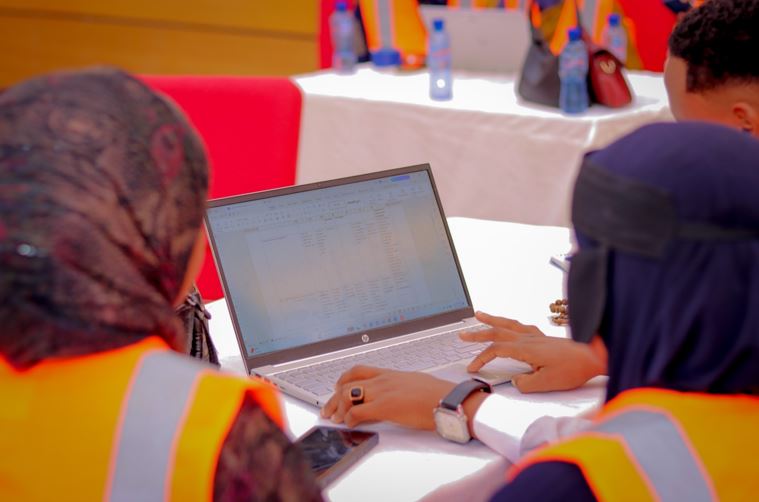
Participants engaged in workshops explaining the importance of MEL (not just for donors, but for their own success and learning). They learned how to build MEL plans by defining what to measure (indicators), how to measure it (tools like attendance sheets, quizzes, photos, feedback forms), and how to use the information to improve future activities.
4.3.5. Planning for Community Feedback & Resistance
Leveraging their enhanced facilitation skills, activists developed strategies for managing feedback and resistance. This included establishing dedicated phone number that can be called or send SMS/WhatsApp messages for post-session questions and anonymous feedback boxes at community events. Role-playing scenarios, such as responding to a parent challenging their authority (“You are just young students. You don’t understand our culture and traditions.”), allowed them to practice the Acknowledge, Reframe, Question technique and plan for capturing and following up on such feedback.
The advanced training series successfully produced significant results:
- Established a Core Team: A dedicated team of 10 highly motivated and skilled university student activists was established and formally assigned roles.
- Empowered Advocacy: Activists are now empowered to effectively counter the deepest-rooted justifications for FGM, particularly the misconception linking the “Sunna” type to Islamic doctrine and its medical acceptability, using robust evidence.
- Comprehensive Action Plans: Participants collaboratively developed detailed, actionable Community Action Plans (CAPs) for various target groups and contexts within Qardho.
- Enhanced Skills: Activists demonstrated mastery in delivering core advocacy messages, leading facilitated discussions, and employing strategies to handle community resistance.
- Integrated MEL: The CAPs now incorporate practical Monitoring, Evaluation, and Learning components, enabling activists to track progress and measure the impact of their interventions.
- Harmonized Messages Selection and Tailoring to Specific Target Audiences: Activists selected key messages developed by MOWDAFA and integrated within their CAPs to prevent contradicting messaging. Specific targets for each message was identified.
- Readiness for Action: The activists are fully equipped with the knowledge, skills, and tools necessary to initiate and lead community-owned FGM abandonment initiatives, driving change at the grassroots level.
6.0 Challenges and Lessons Learned
- Sunna type FGM: While significant progress was made during the training sessions for activists, the deep-seated nature of the “Sunna” misconception and its medical acceptance is the most substantial challenge we faced. Those misconceptions were continuously addressed throughout these series of advanced trainings. The tedious process of training and preparing these activists was a deliberate, long-term investment. This meticulous approach ensured the development of highly competent personnel capable of leading impactful community peer-to-peer education and community dialogue with sufficient understanding in culture, health, human rights and religion, as demonstrated by the comprehensive they have produced. Community Action Plans (CAPs) integrated with specific MOWDAFA messages and measurable MEL components.
- Limitations of CAPs Developed: Limitations of CAPs Developed: Earlier crafting of the CAP framework lacked robust MEL components and comprehensive strategies for managing community resistance and responsive feedback mechanisms; these were subsequently addressed and integrated in the third training session. The new CAPs framework outlined a holistic approach that goes beyond training and awareness raising sessions, including vital initiatives like providing an integrated healthcare for survivors as well as creating new job opportunities for severely affected young ladies to foster their empowerment, and recruiting more community members in target population. These CAPs are ready for initial implementation within current budget, but the inherent complexity of the FGM issue demands a broader, sustained response including case management and survivor empowerment across Karkar Region. Therefore, our action plans are limited to community dialogues and awareness raising activities due to budget constraints in this phase of the project.
7.0 Conclusion and Way Forward
The advanced training series has successfully established a team of knowledgeable, skilled, and highly motivated university student activists. They are now equipped not only with the FGM facts related its health risks and human rights violation and solutions but, more importantly, the ethical, health, religious reasons for abandonment, and the practical advocacy, facilitation, and action planning skills essential to champion FGM abandonment in Qardho, Puntland-Somalia. SAAD, in collaboration with MOWDAFA, the Qardho local government, and other engaged stakeholders, and with the vital support of GIZ, is committed to implementing the comprehensive Community Action Plans (CAPs) developed by these activists. The university students will co-lead the creation of safe-space environments for peer-to-peer education and wider community dialogues to address FGM and other forms of Gender-Based Violence (GBV). This is to ensure our hard job of preparing these youth activists translates into measurable achievements towards a safer, FGM-free Qardho.
Submitted by:
Ahmed Isse, Project Officer
Smart Aid and Development Organization
December 17, 2025